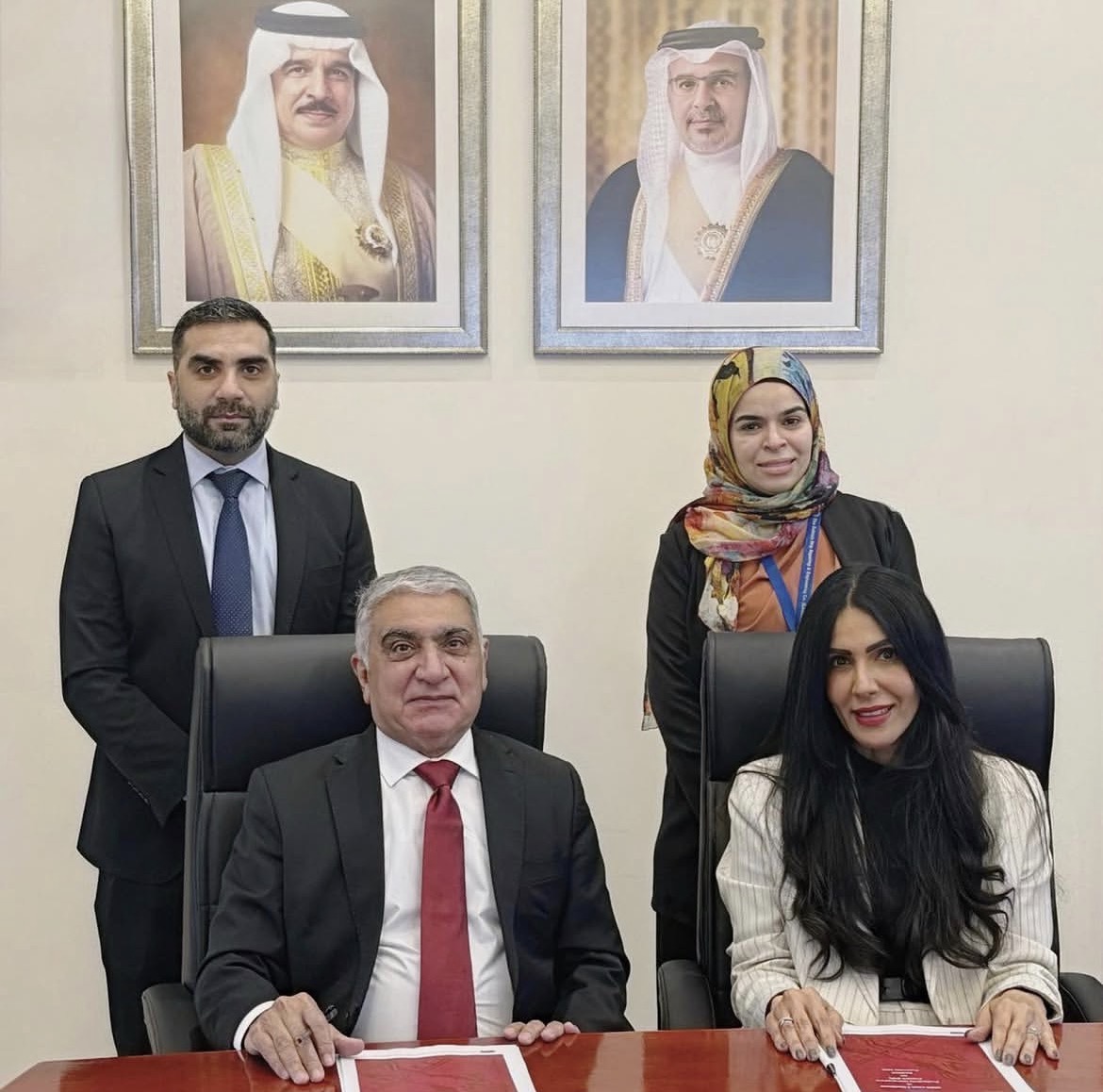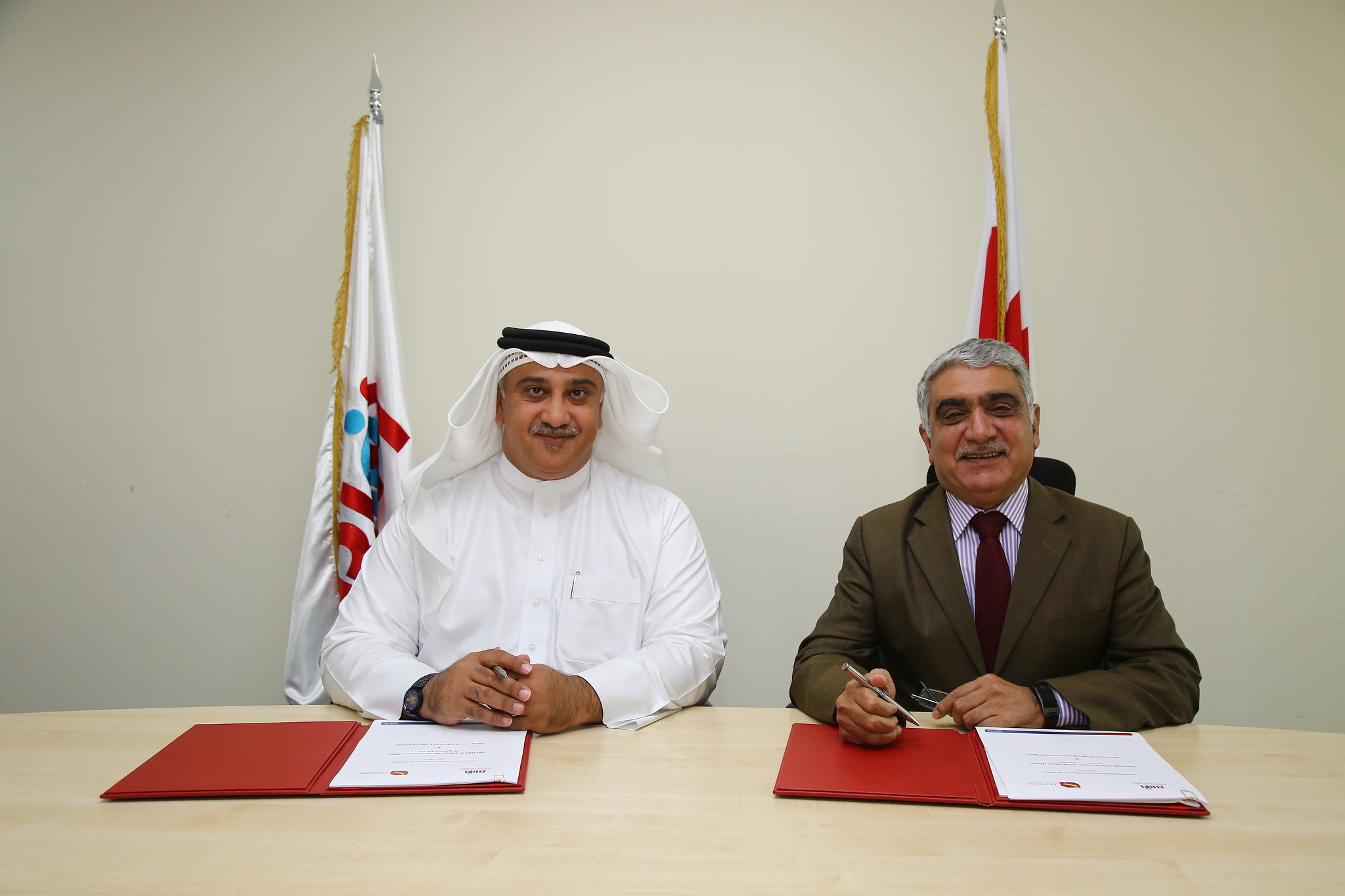
BIBA signs a cooperation agreement with JAFCON to improve productivity.
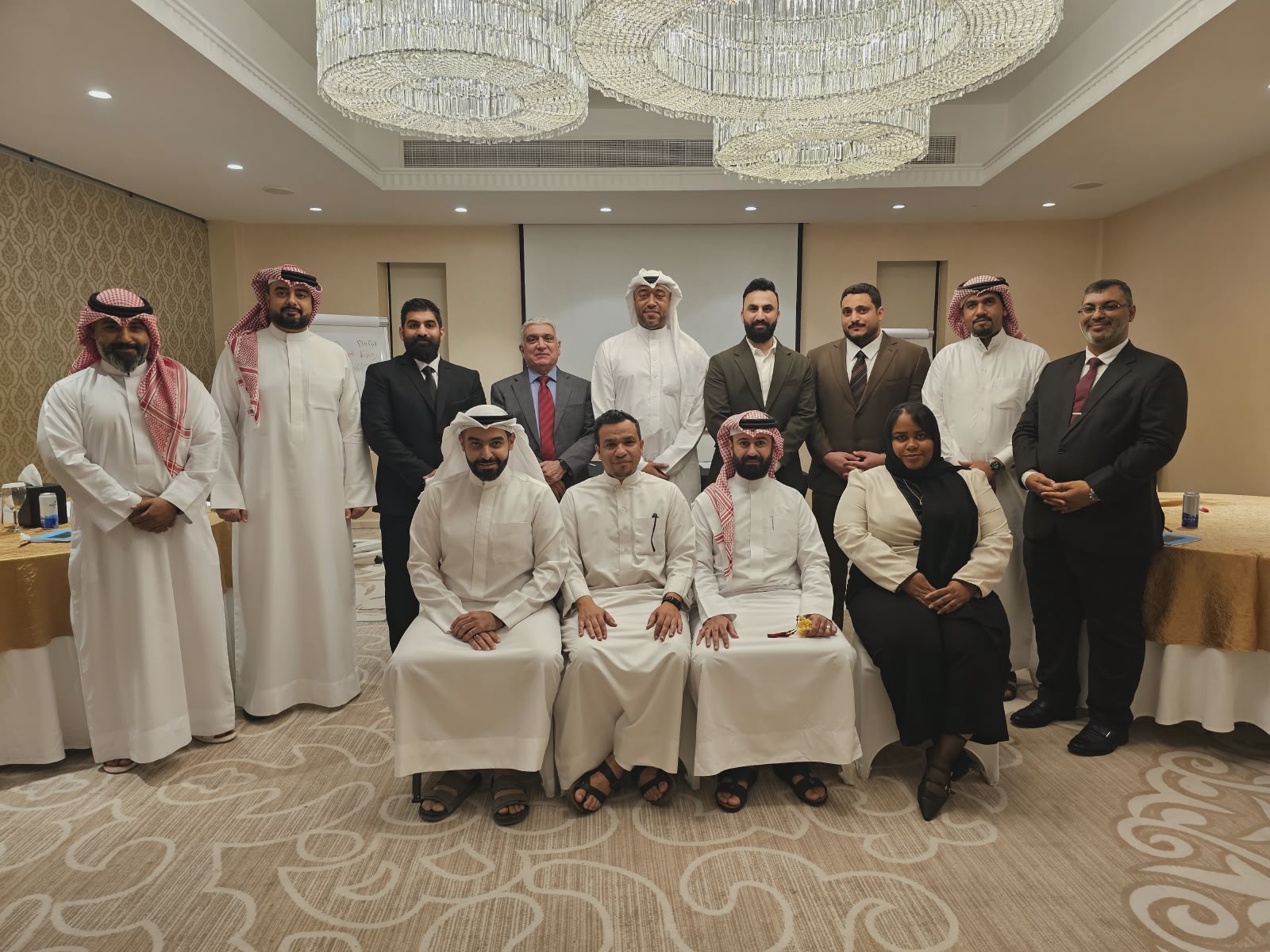
His Excellency Dr. Raed Mohammed bin Shams, Director General of the Bahrain Institute of Public Administration (BIPA), emphasized that the Institute's cooperation with the Jafcon Foundation for Productivity Improvement translates the shared administrative visions and the ongoing pursuit of improving and developing the systems, mechanisms, and methodologies of government work in the Kingdom of Bahrain. This is achieved through the exchange of important expertise and experiences, and effective cooperation to find innovative solutions to enhance government work and develop best practices in the areas of outstanding performance, innovation, and other fields. This came on the sidelines of the signing of a cooperation agreement between the Bahrain Institute of Public Administration (BIPA) and the Jafcon Foundation for Productivity Improvement. Bin Shams explained that the Institute continuously works to keep pace with rapid changes and improve the performance of government agencies by developing government services, ensuring optimal management and leadership, enacting advanced policies, and highlighting the culture of continuous change and creativity. He pointed out that the Institute seeks, through this agreement, to develop a number of government services that directly contribute to raising the efficiency of government performance, most notably the National Productivity Improvement Program (NPIP), which aims to raise the productivity of national government cadres to ensure advanced government performance that meets the aspirations of citizens and beneficiaries of government services. This program is part of the advisory services provided by the Institute’s Consulting and Research Department, and aims to chart a strategic path to improve the job performance of public sector employees by offering intensive training courses to build concepts and tools and build research capabilities in designing and writing case studies. The program also includes numerous advisory sessions with participants, which aim to provide direct guidance and evaluation of the design progress of selected projects to improve productivity. In addition, lessons learned from implementing these projects in the form of case studies are drawn. This agreement also aims to identify the actual training needs of government agencies and provide a number of joint services in the fields of research, consulting, and evaluation, all of which aim to increase government employee productivity and improve their performance by employing the best local and international scientific methodologies and administrative practices to enhance performance and enhance their ability to provide high-quality government services. On the sidelines of the signing, Dr. Akbar Jafari, CEO of Jafcon Productivity Improvement Company, stated that the "Productivity Improvement Practices" program was developed by Jafcon consultants since 1997, based on their extensive professional experience. In 2013, it was accredited by the Institute of Management Services (IMS), making it the first program of its kind outside the United Kingdom. In 2016, the program achieved widespread success, having been implemented in more than 60 organizations inside and outside the Kingdom of Bahrain, earning international recognition as a Level 5 accredited professional qualification according to the Ofqual (UK) qualifications assessment and evaluation system. Engineer Ibrahim Radhi, Senior Consultant at JAFCON, commented that this program is designed to provide participating government employees with the best techniques and tools for measuring and improving productivity, enabling them to manage performance and productivity in various contexts.He added that the National Productivity Improvement Project seeks to reduce the costs of non-value-added operations, solve recurring and difficult problems, and promote a culture of continuous improvement within government institutions. The most important goal is to build Bahraini consultants specializing in productivity improvement within the institutions themselves, so that the development and improvement process is a qualitative and sustainable process.